
If you’ve been exploring peptide therapies for age-related changes, you’ve likely encountered conversations about growth hormone-releasing peptides like CJC-1295 and ipamorelin. These compounds have generated significant interest in wellness and longevity circles, particularly among people seeking to address body composition changes, fatigue, and recovery challenges that often accompany aging.
But what exactly are these peptides? How do they work? And what does the actual science tell us about their potential benefits? Let’s explore the mechanism of action, the research evidence, and important considerations for anyone considering these therapies.
What Are Growth Hormone-Releasing Peptides?
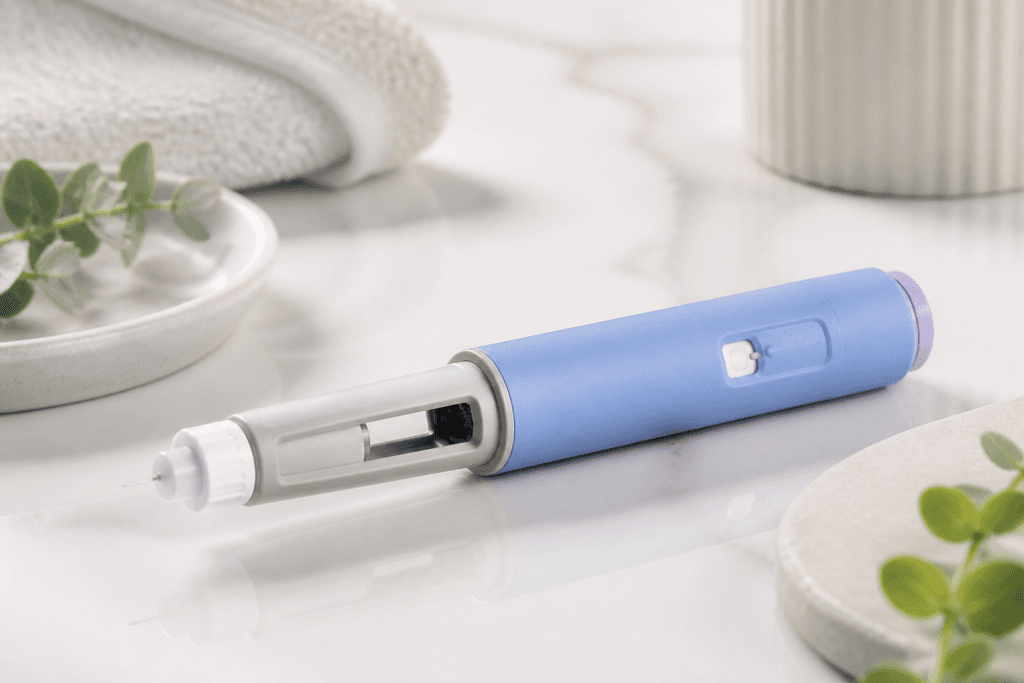
CJC-1295 and ipamorelin are synthetic peptides that belong to a class of compounds called growth hormone secretagogues. Rather than directly delivering growth hormone, these peptides work by signaling your pituitary gland to release more of your body’s own growth hormone.
Ipamorelin works by activating a receptor called GHS-R1a on cells in your pituitary gland called somatotrophs. This activation triggers a cascade of cellular signaling that results in the release of growth hormone. One notable characteristic of ipamorelin is that it appears relatively selective for growth hormone—meaning it primarily affects GH release without significantly stimulating other hormones like ACTH or cortisol, which some older growth hormone-stimulating compounds do.
CJC-1295 takes a different approach. It’s a modified version of growth hormone-releasing hormone (GHRH). The long-acting form commonly discussed binds tightly to a protein called albumin in your bloodstream, which extends how long it circulates in your body. It stimulates the pituitary through the GHRH receptor, promoting sustained growth hormone release over an extended period.
The strategy of combining these two peptides is based on complementary mechanisms: CJC-1295 works through the GHRH pathway while ipamorelin works through the ghrelin/GH-secretagogue receptor. In theory, this dual approach could enhance the pulsatile (wave-like) release of growth hormone.
How Growth Hormone Affects Your Body

Once growth hormone is released into your bloodstream, it travels to your liver, where it stimulates production of another critical compound: insulin-like growth factor 1 (IGF-1). This cascade is where much of the downstream benefits occur.
IGF-1 is responsible for many of the longer-term effects associated with growth hormone, including:
- Stimulating protein synthesis in muscles
- Supporting bone metabolism and density
- Influencing glucose regulation and metabolic function
- Affecting tissue growth and recovery
- Supporting connective tissue health
Early research on CJC-1295 in healthy adults showed that it can increase circulating growth hormone levels two- to tenfold for six or more days after administration, with IGF-1 increasing approximately 1.5- to threefold for nine to 11 days. This demonstrates genuine hormonal activity—but hormonal activity alone doesn’t automatically translate to clinical benefits.
What the Research Actually Shows About Benefits
This is where it’s important to separate theoretical benefits from what research has actually demonstrated. The evidence landscape looks like this:
Confirmed effects: Research shows that these peptides do successfully increase circulating growth hormone and IGF-1 levels. Early studies in healthy adults aged 21-61 found sustained increases in these hormones with generally good short-term tolerability. Studies have also identified possible changes in markers related to protein metabolism and bone metabolism.
Potential but not proven effects: Based on the known role of growth hormone and IGF-1, there is theoretical rationale for benefits in several areas, including body composition changes, recovery, sleep quality, and strength. However, there are no large, long-duration clinical trials demonstrating that these peptides reliably produce meaningful, sustained improvements in:
- Significant weight loss
- Reversal of age-related fat redistribution
- Prevention of age-related muscle loss (sarcopenia)
- Improved strength and physical performance
- Restored energy and youthful vitality
- Meaningful improvements in sleep quality
- Skin rejuvenation
- Life extension or disease prevention
Most reported benefits in this category come from user reports rather than large, rigorous clinical trials.
Who Might Benefit Most?

The strongest potential use case for growth hormone-releasing peptides would be in patients with confirmed, pathological growth hormone deficiency—a condition diagnosed through specific medical testing by an endocrinologist. Even in that setting, these peptides are not established as replacements for approved, guideline-based GH replacement therapies.
For healthy women over 55 dealing with weight plateaus, reduced muscle tone, or fatigue, the evidence doesn’t currently support these peptides as a dependable solution. These symptoms often reflect multiple overlapping factors that deserve proper evaluation:
- Menopausal hormonal changes affecting metabolism
- Natural age-related muscle loss from reduced activity
- Sleep disturbances or sleep apnea
- Undiagnosed thyroid dysfunction
- Insulin resistance or metabolic changes
- Effects of medications
- Chronic stress or emotional factors
- Insufficient resistance training stimulus
- Overly restrictive dieting patterns
A weight plateau shouldn’t automatically be interpreted as evidence of growth hormone deficiency requiring peptide therapy.
Important Safety Considerations
While early studies of both peptides reported generally good short-term tolerability, there are several safety considerations worth understanding:
Potential effects related to increased GH or IGF-1:
- Fluid retention and swelling
- Joint or muscle discomfort
- Numbness, tingling, or carpal-tunnel-like symptoms
- Headaches
- Changes in blood pressure or heart rate
- Impaired glucose tolerance or worsening insulin resistance
- Changes in appetite
- Sleep-related breathing problems
CJC-1295-specific concerns: Early studies reported injection-site reactions including pain, swelling, and redness. Some users reported flu-like symptoms. Long-term cardiovascular, metabolic, and cancer-related risks remain uncertain due to limited long-term clinical data.
Ipamorelin-specific concerns: While ipamorelin appears more selective for growth hormone than some older compounds, human studies remain small. Long-term outcomes related to glucose metabolism, cardiovascular health, and potential tissue overgrowth with extended use haven’t been adequately characterized.
Special considerations for postmenopausal women: Age, body composition, and the hormonal changes of menopause all affect how your body responds to growth hormone stimulation. Additionally, if you have any of these common midlife conditions—prediabetes, hypertension, sleep apnea, cardiovascular disease, or a history of cancer—these can interact with growth hormone stimulation in ways that require careful medical evaluation.
The Importance of Tracking and Professional Guidance
If you’re working with a healthcare provider and considering growth hormone-related therapies, proper monitoring becomes essential. Tools like the ShotLog app can help you maintain detailed records of your health markers and progress. The app’s Biograph feature allows you to visualize how peptide levels and hormonal markers fluctuate in your body over time, making it easier to share comprehensive data with your healthcare provider. Progress tracking features including 14-point body measurements and progress photos provide objective documentation of any physical changes.
Additionally, maintaining organized records of your peptide supply is important for consistency and safety. If you’re managing peptide therapies, keeping supplies properly stored in a quality cooler case ensures stability, particularly if you travel. The ShotLog app’s vial tracking feature helps you monitor remaining supply so you never run short during your protocol.
The Bottom Line
CJC-1295 and ipamorelin are peptides that demonstrably stimulate growth hormone and IGF-1 release. However, it’s crucial to distinguish between what these peptides can do biochemically and what they reliably do clinically for age-related weight resistance, fatigue, or body composition challenges in otherwise healthy people.
The research shows hormonal activity and potential mechanisms for benefit, but lacks the large, long-duration clinical trials needed to establish that these peptides produce meaningful, sustained improvements in strength, energy, weight loss, or quality of life—especially in women over 55.
Age-related changes in body composition, energy, and physical capability are real and often frustrating. But they typically reflect multiple interconnected factors deserving of proper medical evaluation and potentially lifestyle-based interventions with proven evidence before considering experimental peptide therapies.
Important Medical Disclaimer
This article is educational and does not constitute medical advice. Growth hormone-releasing peptides like CJC-1295 and ipamorelin are not FDA-approved for anti-aging, weight loss, or general wellness. Any consideration of these therapies should only occur under the guidance of a qualified healthcare provider who can:
- Properly evaluate your individual health status and goals
- Perform appropriate diagnostic testing if warranted
- Discuss realistic expectations based on current evidence
- Monitor for potential side effects and drug interactions
- Ensure any treatment protocol is safe for your specific circumstances
Never initiate peptide therapy based on online information alone. Your healthcare provider is the appropriate source for personalized medical guidance.
Related Products from ShotLog
If you’re working with a healthcare provider on any peptide-based protocol, these ShotLog products can support your wellness journey:
- Reusable Peptide Pen – V2 ($21.99-$24.99): A reliable, ergonomic injection device for consistent, comfortable administration.
- FDA-Cleared 510(k) Reusable 80 Unit Injection Pen ($32.99): A professional-grade, precision-engineered option for those seeking pharmaceutical-quality standards.
- The Ultimate Peptide Travel Cooler Case ($20.99): Maintains proper temperature for your peptides whether at home or traveling.
- Universal Peptide Pen Needles ($12.99): High-quality needles compatible with most peptide pens.
- ShotLog App: Track your health journey with smart reminders, progress photos, biograph visualizations, and comprehensive health metrics to share with your healthcare provider.