
Taurine for Peptide Users: Supporting Cellular Performance and Recovery
If you’re using therapeutic peptides—whether for weight management, recovery, or metabolic optimization—you’ve likely invested considerable thought into your protocol. Yet one of the most overlooked yet foundational supplements might be sitting on a shelf at your local grocery store.
That supplement is taurine.
Unlike trendy compounds that promise overnight transformations, taurine works quietly in the background, supporting the cellular machinery that makes every other intervention more effective. For peptide users specifically, understanding taurine’s role in cellular physiology isn’t just beneficial—it’s essential for optimizing your health journey.
What Is Taurine and Why Should You Care?

Taurine is a unique sulfur-containing amino acid that doesn’t get incorporated into proteins like most amino acids do. Instead, it circulates throughout your body and concentrates in metabolically active tissues: your heart, brain, skeletal muscles, and retina.
Your body produces taurine on its own, but modern lifestyles, metabolic stress, and the physiological demands of therapeutic peptides can deplete these stores. This is why taurine is classified as “conditionally essential”—meaning your baseline production might not meet your needs during periods of high metabolic activity or cellular stress.
For peptide users, this matters significantly. When you’re using compounds that accelerate metabolic processes, cellular turnover, or tissue adaptation, your body’s demand for taurine increases proportionally.
How Taurine Works: The Cellular Mechanisms
Taurine doesn’t work like a drug targeting a single pathway. Instead, it functions as a cellular support system, enabling multiple critical processes:
Cellular Hydration and Electrolyte Balance
One of taurine’s primary roles is osmoregulation—maintaining proper water and electrolyte balance inside your cells. Think of it as a cellular moisture manager. When cells are properly hydrated, they function more efficiently, recover faster, and experience less oxidative stress. For peptide users pushing their physiology harder, this becomes crucial.
Mitochondrial Protection
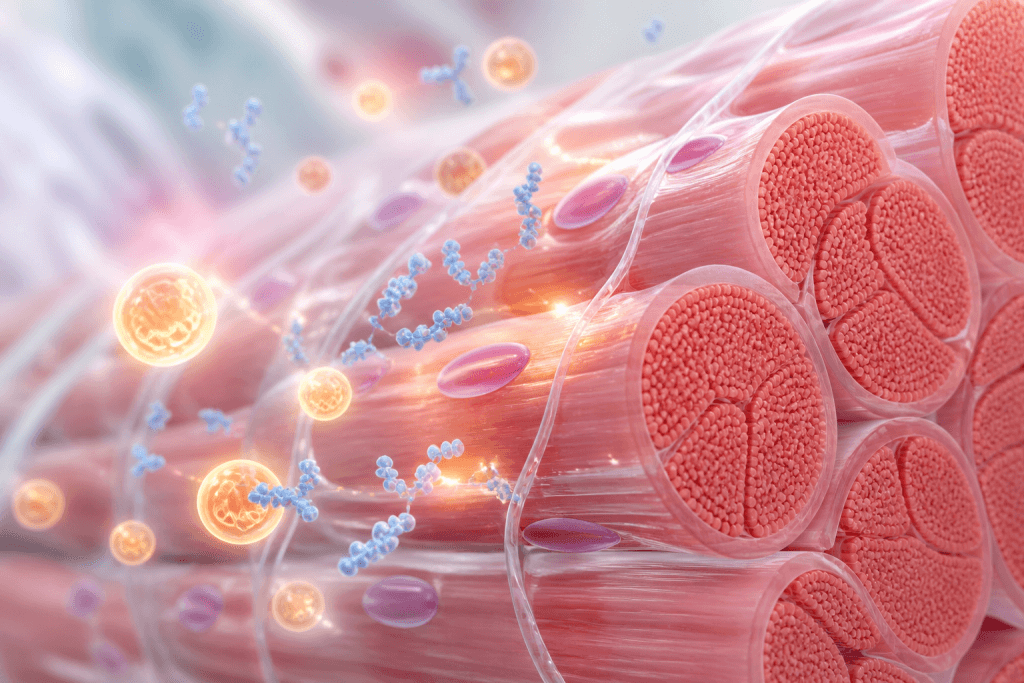
Your mitochondria are your cells’ power plants, generating the ATP (energy) that fuels everything from muscle contraction to hormone production. Therapeutic peptides often increase metabolic demand, which means your mitochondria work overtime. Taurine supports mitochondrial membrane stability and helps reduce the oxidative stress that naturally occurs during high energy production. This means cleaner ATP production and less cellular damage.
Calcium Regulation in Muscle
Proper calcium signaling is essential for muscle contraction and relaxation. Taurine influences how calcium moves in and out of muscle cells, supporting better muscle function and reducing the cellular inflammation that can follow intense training or metabolic stress. This is particularly relevant for users combining peptides with resistance training.
Antioxidant and Anti-Inflammatory Signaling
When taurine interacts with immune molecules, it forms compounds like taurine chloramine, which can help neutralize inflammatory signals and protect cells from oxidative damage. For peptide users experiencing metabolic acceleration, this protective capacity is valuable.
Bile Acid Support
Taurine conjugates with bile acids, supporting fat digestion and metabolic signaling. This process influences how your body processes nutrients and signals satiety—particularly relevant for those using GLP-1 peptides for weight management.
Taurine and Your Peptide Protocol

The connection between taurine and peptide therapy is rooted in cellular physiology. When you use growth hormone peptides, healing peptides, or GLP-1 medications, you’re essentially asking your body to perform at higher levels. Whether that’s faster tissue repair, accelerated metabolic turnover, or enhanced hormonal signaling, the metabolic cost is real.
Taurine doesn’t directly enhance peptide effectiveness—rather, it ensures your cellular environment can support the processes those peptides are initiating. It’s like ensuring your car has adequate oil while asking the engine to perform at higher RPMs.
Research shows that taurine influences several metabolic pathways that overlap with peptide mechanisms. For example, studies indicate taurine may affect metabolic health markers including fasting glucose, insulin sensitivity, and inflammatory signaling—areas where many peptides are also targeting effects. By maintaining robust taurine levels, you’re supporting the cellular foundation that makes peptide therapy more effective.
The Research on Taurine’s Benefits
While taurine’s role in peptide synergy remains largely theoretical (requiring more human clinical evidence), taurine itself has demonstrated benefits supported by human research:
- Metabolic Health: Clinical studies report improvements in fasting glucose, insulin resistance, and inflammatory markers—particularly relevant for those using metabolic peptides.
- Cardiovascular Function: Some research indicates modest improvements in blood pressure and endothelial function, supporting overall cardiovascular resilience during periods of metabolic stress.
- Exercise Performance and Recovery: Studies suggest potential improvements in exercise capacity and recovery efficiency, complementing peptides used for performance optimization.
- Cellular Protection: Evidence supports taurine’s role in reducing oxidative stress and supporting mitochondrial function—critical during periods of accelerated metabolism.
Importantly, taurine is generally well-tolerated in clinical research, with side effects typically limited to mild gastrointestinal symptoms in some users.
Who Benefits Most from Taurine Supplementation?
While not universally necessary, taurine is most relevant for:
- People using therapeutic peptides for recovery, weight management, or metabolic optimization
- Those with high metabolic demands from training or lifestyle
- Individuals with dietary patterns low in taurine-rich foods (particularly relevant for certain plant-forward eaters)
- Anyone seeking nutritional support for cardiovascular and metabolic health during periods of physiological stress
Integrating Taurine Into Your Wellness Routine
The beauty of taurine is its accessibility and simplicity. It’s available everywhere—from major retailers to online supplement platforms—and requires no complex protocols or special handling.
For peptide users maintaining detailed protocols, tools like the ShotLog app can help you track all aspects of your health optimization in one place. While ShotLog specializes in peptide protocol tracking, progress measurements, and biometric monitoring, you can also log your supplement routine—including taurine—to maintain a comprehensive view of your health strategy. The app’s 14-point body measurement tracking and progress photo features let you monitor whether your complete protocol (peptides + supporting nutrition) is delivering the results you’re seeking.
Similarly, for those managing multiple supplements and ensuring proper storage and organization, keeping your peptides and supporting supplements together in a dedicated case makes adherence easier. Many successful peptide users find that organizing their entire wellness protocol—from peptide storage to supplement schedules—creates the consistency that drives results.
Safety Considerations and Best Practices
Taurine is generally safe for most adults, but responsible supplementation requires awareness:
- Start with quality sources: Choose supplements from reputable manufacturers with third-party testing
- Be mindful of combinations: Avoid products combining taurine with excessive stimulants or multiple poorly-studied ingredients
- Consider individual health: People with kidney disease, liver conditions, or certain metabolic disorders should consult healthcare providers before supplementing
- Review with your practitioner: If you’re using medications affecting blood pressure, glucose, or kidney function, discuss taurine supplementation with your healthcare provider
- Focus on quality peptides: The larger safety concern for peptide users involves the peptides themselves—ensuring products come from reputable sources with verified identity, sterility, and concentration
The Bigger Picture: Peptides Work Better With Proper Support
The peptide community has learned through collective experience that success requires more than just the peptide itself. It requires:
- Consistent, organized protocols (where tracking tools like ShotLog help maintain adherence)
- Nutritional support for accelerated cellular processes
- Proper monitoring and adjustment based on real results
- Understanding the cellular mechanisms behind your therapy
Taurine is a practical, affordable, evidence-informed piece of that support system. It won’t replace proper training, nutrition, sleep, or the peptides themselves—but it ensures your cellular environment is optimized to benefit from everything you’re doing.
A Word on Expectations and Evidence
It’s important to note that while taurine has independent health benefits supported by human research, the idea that it specifically enhances peptide effectiveness in humans remains theoretical. Most evidence for compound interactions comes from laboratory or animal studies. Taurine is valuable as a standalone supplement for cellular health and as part of a comprehensive peptide support protocol, but it’s not a magic amplifier.
The most honest assessment: taurine supports the cellular conditions that allow peptide therapy to work optimally. It’s not the peptide; it’s the foundation beneath it.
Final Thoughts
In the world of peptides and advanced health optimization, it’s easy to fixate on the cutting-edge compounds while overlooking foundational nutrition. Taurine is a reminder that sometimes the most powerful health moves are the simple, unglamorous ones.
For peptide users committed to results, adding taurine to your supplement drawer isn’t about chasing hype. It’s about respecting your body’s increased metabolic demands and giving it the nutritional support needed to perform at its best.
Disclaimer: This article is for educational purposes and should not be considered medical advice. Taurine supplementation, while generally safe, is not appropriate for everyone. If you have existing health conditions, take medications, or are pregnant or nursing, consult with a qualified healthcare provider before beginning any supplementation regimen. Your healthcare provider can assess whether taurine is appropriate for your individual circumstances and can monitor for any interactions with your current medications or peptide protocols.
Related Products from ShotLog
Supporting your peptide protocol requires more than supplements—it requires organization, consistency, and data. Here are tools designed to complement your peptide and supplement strategy:
- ShotLog App — Track your complete wellness protocol including peptides, supplements, nutrition, and progress measurements in one intelligent platform. Smart reminders keep you consistent.
- Reusable Peptide Pen – V2 — Clean, precise injection delivery for your peptide protocol. Quality equipment supports consistency.
- FDA-Cleared 510(k) Reusable 80 Unit Injection Pen — Professional-grade precision for those seeking verified medical-standard equipment.
- Universal Peptide Pen Needles — Reliable, quality needles ensuring smooth, consistent injections every time.
- The Ultimate Peptide Travel Cooler Case — Keep peptides and temperature-sensitive supplements properly stored whether at home or traveling.
- Case for 3ml Vials — Organize and protect your peptide and supplement vials in one dedicated space.