
Sigumir and Cartalax: How Cartilage-Targeted Peptides Support Joint Health and Tissue Regeneration
If you’ve ever woken up stiff, felt sharp twinges after a workout, or noticed that you just don’t bounce back the way you used to, you’re not alone. Joint pain and cartilage degradation affect millions of people worldwide—and for many, traditional pain relievers only mask the symptoms rather than addressing the underlying problem.
That’s where the science of tissue-specific peptide bioregulators comes in. Sigumir and Cartalax represent a fascinating frontier in regenerative health, offering a different approach: instead of simply suppressing pain signals, these peptides work at the cellular level to help your body’s own repair mechanisms restore joint and cartilage health.
Let’s explore what these compounds are, how they work, and what the research reveals about their potential to transform how we think about joint health.
What Are Sigumir and Cartalax?
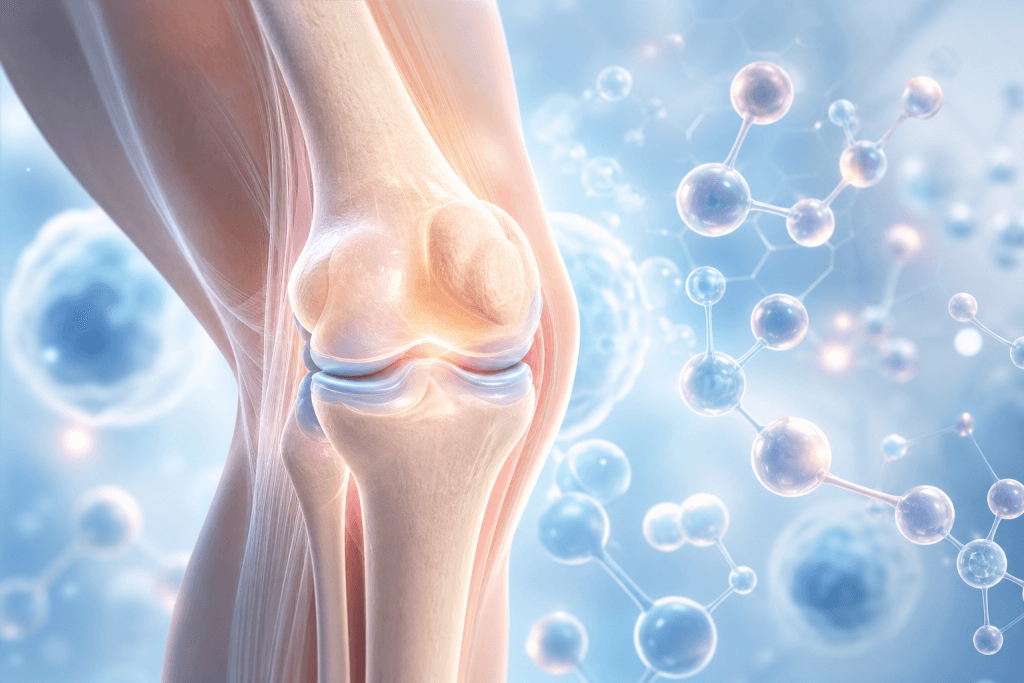
These names might be new to you—and that’s because the Western wellness community is only recently discovering what Russian and Eastern European researchers have known for decades: the power of cartilage-derived peptide bioregulators.
Sigumir is a natural polypeptide complex extracted from the cartilage and bone tissue of young, healthy animals. Think of it as a highly refined “tissue messenger”—a blend of short amino acid chains that your body recognizes as signals to repair and regenerate joint structures. It’s been used in clinical settings for decades to support joint health, spine function, and bone integrity.
Cartalax represents a more concentrated approach. It’s the active tripeptide (just three amino acids bonded together: alanine, glutamine, and asparagine) isolated from the Sigumir complex. Because it’s so small and structurally simple, Cartalax bypasses immune system recognition—meaning it has virtually zero risk of triggering allergic reactions. This makes it particularly versatile for targeted applications.
While they come from the same family of bioregulators, each has distinct advantages. Sigumir offers broad-spectrum tissue support through its complex peptide profile, while Cartalax provides ultra-precise cellular signaling through its simplified molecular structure.
How They Work: The Mechanism Behind Cellular Repair

Understanding how Sigumir and Cartalax work requires a shift in perspective. Most joint supplements provide raw materials for cartilage—things like glucosamine or chondroitin that give your body building blocks. These peptide bioregulators do something fundamentally different: they activate your cells’ own repair programs.
Tissue-Specific Signaling
When Sigumir or Cartalax enter the body, they don’t work everywhere—they target cartilage cells (chondrocytes) and bone-building cells (osteoblasts) with remarkable specificity. This tissue-targeting capability is remarkable: the peptides recognize and interact with receptors on cartilage and bone cells, essentially sending a signal that says, “It’s time to activate repair mode.”
Gene Expression and Cellular Regeneration
Here’s where the real magic happens at the molecular level. These peptides are believed to interact with DNA promoter regions inside your cells—the “control switches” for genes related to cartilage matrix production. When activated, these genes increase production of collagen and proteoglycans, the structural proteins that make cartilage resilient and shock-absorbing.
At the same time, research indicates these peptides promote cell survival and reduce cellular death markers. Preclinical studies show they increase PCNA (a marker of cell proliferation and repair) while decreasing p53 (a marker of cell death and degeneration). The net effect: your cartilage and bone cells shift from a degenerative state toward an active regeneration state.
Enhanced Cellular Energy and Mitochondrial Support
Research also suggests that Cartalax and Sigumir support the mitochondria—the energy-producing powerhouses of your cells. When mitochondria function optimally, cells have more energy to invest in repair and regeneration. By enhancing mitochondrial resilience and energy production, these peptides help create an internal environment where healing can thrive.
Joint Environment Optimization
Beyond direct cellular effects, these bioregulators appear to normalize the broader joint microenvironment. By reducing inflammatory markers and supporting the production of joint lubricants, they help minimize friction and mechanical stress on articular surfaces—addressing not just the cells, but the entire ecosystem in which they operate.
What the Research Reveals: Benefits and Effects
Research into Sigumir and Cartalax comes primarily from the St. Petersburg Institute of Bioregulation and Gerontology, where decades of work have documented their effects in both laboratory and clinical settings.
In Animal and Laboratory Studies
Preclinical research has been remarkably consistent:
- Cartilage Regeneration: In cultured cartilage tissue, Sigumir and Cartalax increased cartilage area by 18–38%, promoting robust extracellular matrix production and restoring chondrocyte function in degenerative contexts.
- Bone Healing Acceleration: In rabbit fracture models, these peptides accelerated bone healing, with new bone formation appearing approximately a week earlier than in control groups—a significant finding for post-injury and post-surgical recovery.
- Osteoporotic Protection: In rodent models simulating age-related bone loss, peptide bioregulators prevented bone mineral density decline, suggesting they may counteract osteoporotic changes.
- Cellular Shift Toward Repair: At the molecular level, the peptides shifted the balance toward cell survival and proliferation, reducing markers of degeneration and apoptosis.
In Human Clinical Applications
While Western randomized controlled trials remain limited, clinical experience spanning decades in Russia and Eastern Europe provides valuable insights:
- Joint Pain and Osteoarthritis: Patients using Sigumir or Cartalax as part of comprehensive joint care protocols reported pain reduction of approximately 55–67%, particularly in early-to-moderate osteoarthritis stages. The effect appears strongest when applied early in the degenerative process, suggesting these peptides may work best as preventive or early-intervention tools.
- Mobility and Function: Beyond pain reduction, users experienced measurable improvements in range of motion, reduced morning stiffness, and better ability to perform daily activities. Many reported they could return to activities they thought were lost to aging or joint problems.
- Spine Health and Degeneration: Sigumir has been used clinically for osteochondrosis (degenerative disc disease), showing normalization of metabolic processes in spinal cartilage and slowing of degenerative changes.
- Post-Trauma Recovery: In sports medicine and post-operative settings, these peptides have been used to accelerate musculoskeletal restoration, with reports of faster functional recovery and improved tissue healing.
- Preventive and Geriatric Applications: Sigumir is positioned as a preventive biologically active substance to maintain joint and spine integrity as we age, particularly for those with high physical demands or history of joint stress.
- Safety Profile: Clinical data consistently report excellent tolerability, with no significant adverse effects documented across thousands of patient applications.
Who May Benefit Most?
Based on the research and clinical applications, Sigumir and Cartalax may be particularly valuable for:
- Early-Stage Osteoarthritis: Those experiencing initial joint pain and stiffness, where intervention can potentially slow progression
- Athletes and Active Individuals: People with high physical demands seeking to maintain joint integrity and support recovery
- Post-Injury and Post-Surgical Recovery: Those working to restore full musculoskeletal function after trauma or surgery
- Age-Related Joint Decline: Individuals experiencing the cumulative effects of aging on joint health and mobility
- Spine and Intervertebral Disc Health: Those with degenerative disc disease seeking to slow deterioration
- Preventive Health: People with family history of osteoarthritis or joint problems seeking to maintain long-term joint integrity
Tracking Your Peptide Journey and Joint Health Progress
For those exploring peptide therapies like Sigumir and Cartalax as part of a comprehensive health strategy, consistency and informed monitoring are essential. This is where modern tracking technology becomes invaluable.
The ShotLog app offers comprehensive peptide tracking specifically designed for users managing tissue-regenerative protocols. Its Smart Protocol Automation feature helps you stay consistent with your program schedule, while smart reminders ensure you don’t miss critical follow-ups. Beyond administration tracking, ShotLog’s Biograph visualization shows how peptide levels fluctuate in your body over time—valuable data for understanding your response pattern.
For measuring progress, the app’s 14-point body measurement system and progress photo features let you document improvements in joint mobility, posture, and overall physical function. Many users find that tracking these metrics creates accountability and helps identify what aspects of their protocol are working best. You can also export detailed reports to share with your healthcare provider, ensuring your medical team stays informed about your progress.
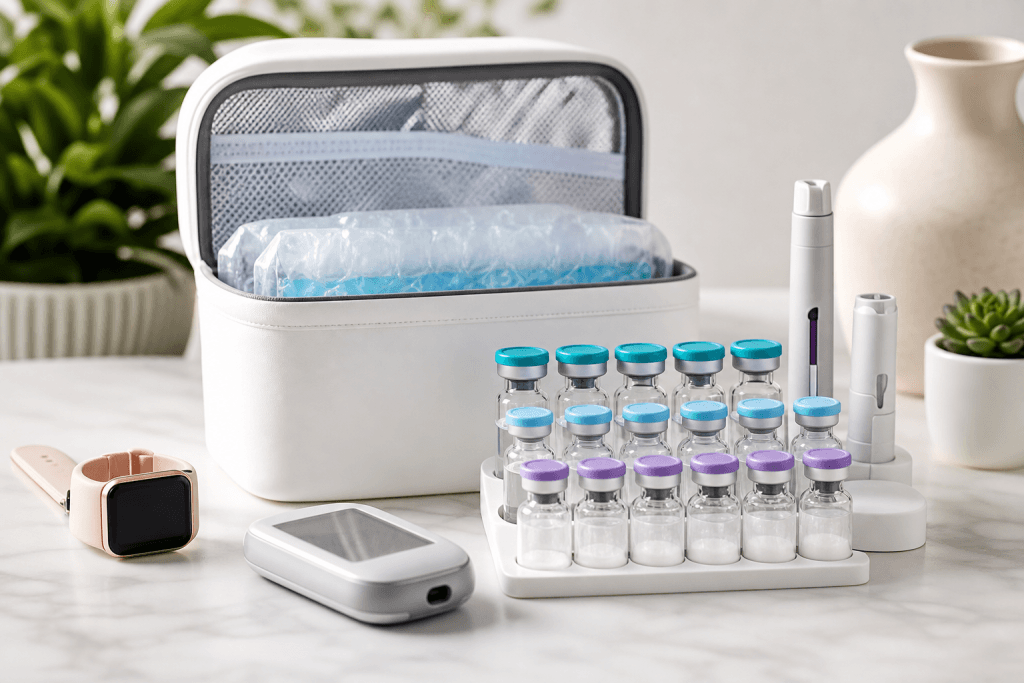
For those traveling or managing multiple peptides, keeping everything organized and at proper temperature is crucial. The Ultimate Peptide Travel Cooler Case ensures your peptides maintain stability during transport, while Peptide Vial Cases help you organize your supplies and protect them from damage. When you’re equipped to manage your protocol properly, consistency becomes effortless.
Important Safety Considerations and Next Steps
While research on Sigumir and Cartalax has been encouraging, and clinical experience spans decades, it’s essential to approach any new health intervention thoughtfully:
- These peptides are primarily available through specialized clinics and research channels, not conventional pharmacies
- Most clinical data comes from Russian and Eastern European research; Western randomized controlled trials are still limited
- Individual responses vary, and benefits depend on proper protocol adherence and realistic timelines—cellular repair takes time
- These peptides work best as part of comprehensive joint health strategies that include appropriate movement, nutrition, and recovery
- Quality and purity matter significantly; sourcing from reputable suppliers is essential
Before beginning any peptide therapy, consult with a qualified healthcare provider who understands peptide bioregulators and can evaluate whether these approaches are appropriate for your specific situation, medical history, and current health status. Your healthcare team can help determine if Sigumir, Cartalax, or other peptide options make sense for you and can monitor your progress appropriately.
The Future of Joint Health
Sigumir and Cartalax represent a meaningful shift in how we think about joint health—moving from pain management to tissue regeneration, from reactive treatment to proactive restoration. While more Western research is needed, the decades of clinical experience in other regions, combined with solid preclinical evidence, suggests these peptide bioregulators offer genuine potential for those seeking to restore and maintain joint integrity.
The key insight: your body has remarkable capacity for self-repair when given the right signals. Peptide bioregulators are designed to provide exactly those signals—activating your cellular repair machinery at the genetic level to restore what time and wear have compromised.
Whether you’re dealing with early osteoarthritis, recovering from injury, or simply seeking to maintain the joints that carry you through life, understanding these regenerative tools expands your options for taking control of your long-term musculoskeletal health.
Related Products from ShotLog
For those exploring peptide therapies, ShotLog offers essential tools to support your protocol:
- Ultimate Peptide Travel Cooler Case ($29.99) — Maintain proper peptide storage temperature while traveling or commuting
- Peptide Vial Cases ($4.98–$9.98) — Organize and protect your peptide supplies with professional-grade storage
- Universal Peptide Pen Needles ($9.49) — Quality needle options for reliable, consistent administration
- Reusable Peptide Pen ($20.99) — Durable, reusable injection device for convenience and sustainability
- ShotLog App (Free on iOS & Android) — Track your peptide protocol, monitor progress with body measurements and photos, and maintain consistency with smart reminders
Disclaimer: This article is for educational purposes only and does not constitute medical advice. Sigumir and Cartalax are not FDA-approved medications in the United States. Before beginning any peptide therapy or making changes to your health regimen, consult with a qualified healthcare provider. Individual results vary, and peptides should only be obtained from reputable sources through qualified medical professionals. This article does not recommend, encourage, or provide dosing information for any peptide therapy.