
Are Peptides for Life? Understanding Long-Term Peptide Therapy and Your Health Journey
It’s one of the most common questions I hear from people exploring peptide therapy: “Do I have to take peptides for the rest of my life? If I start, am I committing to this forever?”
It’s a legitimate concern, and honestly, it deserves a thoughtful answer—not marketing hype, but real talk about what long-term peptide use actually means for your health.
The Nature of Lifelong Health Commitments
Before we dive specifically into peptides, let’s step back and think about what truly moves the needle on health and longevity.
Consider diet. Eat clean for three months and you’ll feel fantastic. But stop? Return to processed foods, refined sugars, and poor nutrition choices, and your progress starts slipping away. That’s not a flaw in nutrition science—it’s simply how the body works.
The same applies to exercise. Hit the gym consistently for months, then take extended time off, and your cardiovascular fitness, muscle mass, and even your mood begin to decline. We all intuitively understand this truth: the best results in life come from habits that are stacked, repeated, and refined over time.
This principle extends beyond the physical realm. Mindfulness isn’t something you meditate into for a week and then maintain forever without effort. Healthy relationships require ongoing investment and nurturing. And emotional resilience demands continuous practice.
As a society, we’re captivated by quick fixes—the one pill, the one protocol, the one magic solution that will change everything overnight. But the honest truth is that meaningful, lasting health transformations are gradual, layered, and yes, often lifelong endeavors.
Understanding Peptides as Tools, Not Magic Bullets

Here’s what many people don’t realize about peptides: they are tools, not crutches. They’re not a replacement for poor nutrition, inadequate sleep, chronic stress, or a sedentary lifestyle.
Peptides work best when integrated into a comprehensive approach to health—one that includes proper nutrition, consistent movement, quality sleep, and stress management. They’re most effective when viewed as part of a larger ecosystem of wellness practices, not as standalone solutions.
Think of it this way: a peptide can support your body’s natural processes and help optimize specific biological functions. But peptides can’t overcome a lifestyle that fundamentally works against your health goals. No peptide therapy can compensate for chronic sleep deprivation, high-stress living, or a diet of processed foods.
When you do introduce peptides into a well-rounded health protocol, however, the results can be remarkable. That’s where the real power lies.
How Peptides Work: The Mechanism Behind the Benefits
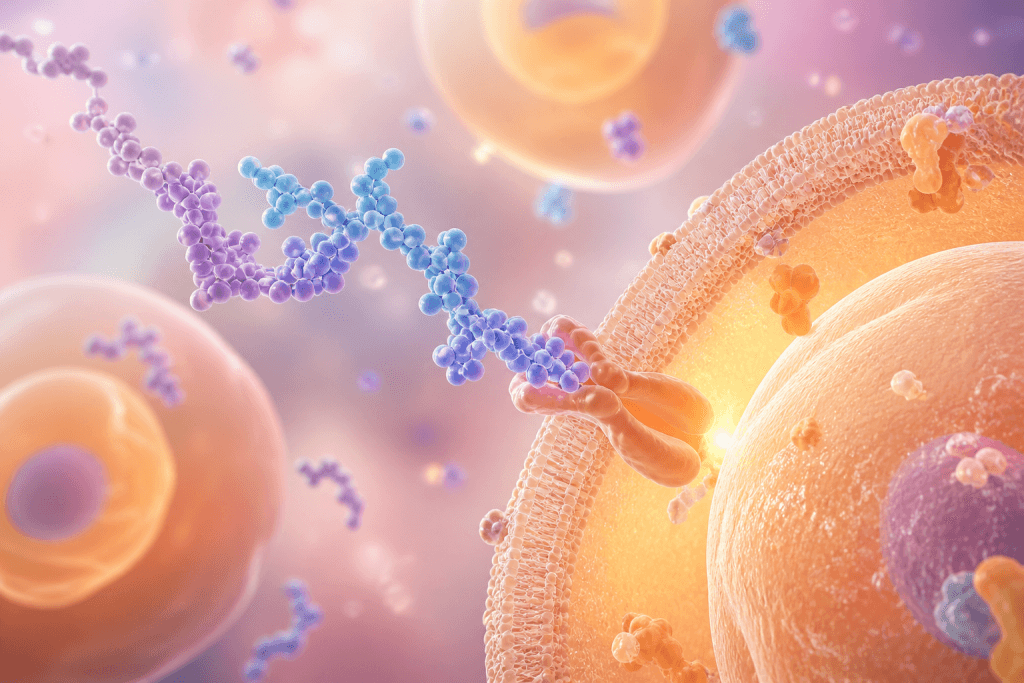
Peptides are short chains of amino acids—the building blocks of proteins. What makes them unique is their ability to communicate with your body’s cells in very specific ways.
Different peptides work through different mechanisms. Some mimic natural hormones in your body. Others signal cells to produce more of certain proteins or engage in specific biological processes. Some support cellular repair and regeneration. The remarkable thing is this specificity: peptides can target particular tissues and functions with remarkable precision.
For example, peptides that mimic glucagon-like peptide-1 (GLP-1) work by enhancing your body’s natural glucose regulation, increasing satiety, and supporting metabolic health. These peptides don’t create new biological pathways; they optimize existing ones that may have become less efficient over time due to aging, lifestyle factors, or metabolic changes.
The key insight is that peptides work with your body’s existing biology, not against it. They’re reinforcing and amplifying natural processes that are already present—they’re just enhancing your body’s ability to execute these processes optimally.
The Question of Duration: When Is Long-Term Use Appropriate?

Whether peptide therapy becomes a lifelong commitment depends heavily on which peptide you’re using and why.
Approved GLP-1 and GIP-based medications offer an instructive example. These peptide-based therapies have demonstrated profound benefits for weight management and metabolic health. Research shows they can support significant weight loss, improve blood sugar regulation, reduce appetite, and provide cardiovascular benefits for eligible populations.
However—and this is crucial—when people discontinue these medications, the benefits typically diminish over time. Weight regain often occurs, appetite-suppressing effects fade, and some metabolic improvements may reverse. This doesn’t mean the medications failed. Rather, it reflects that obesity and metabolic dysfunction are often chronic conditions. When the therapeutic support is withdrawn, the underlying physiology may reassert itself.
This is why long-term use of proven, approved therapies can be appropriate for chronic conditions. The condition didn’t disappear; it’s just being managed more effectively with the medication in place.
What About Less Established Peptides?
The situation becomes more complex with newer or less studied peptides. For these, the honest answer is: we don’t yet have enough evidence to recommend lifelong use.
This isn’t a condemnation of emerging peptide research. Rather, it reflects scientific reality. Sound medical practice requires understanding:
- Whether benefits persist after stopping the peptide
- The long-term safety profile of extended use
- Whether the peptide produces true disease modification or temporary biochemical changes
- How the peptide interacts with your body’s existing systems over years or decades
- Who specifically benefits most and why
Without this evidence, recommending lifelong use would be premature. It’s not that these peptides can’t be valuable—many show genuine promise in research settings. But the evidence base simply isn’t there yet for confident long-term recommendations.
Tracking Your Progress and Maintaining Consistency
Regardless of which peptides you choose to explore, one thing becomes immediately clear: consistency matters enormously. Your body responds to sustained, regular peptide exposure—not sporadic use.
This is where proper tracking becomes invaluable. Tools like the ShotLog app can help you maintain adherence with smart reminders, track your remaining supply, and visualize how peptide levels fluctuate in your body over time using the Biograph feature. When you’re thinking about long-term peptide use, having a reliable system to maintain consistency is genuinely important.
Beyond just remembering to use your peptides, comprehensive tracking helps you assess whether the therapy is actually working for your specific goals. ShotLog’s 14-point body measurement system, progress photos, and weight tracking features allow you to document real changes. You can track nutrition, hydration, and even export data to share with your healthcare provider.
When you’re considering peptide therapy as a long-term commitment, this kind of objective tracking becomes your evidence. You’re not relying on how you feel; you’re monitoring measurable changes in your body composition, performance, and health markers.
Practical Considerations for Long-Term Use
If you do decide peptide therapy is right for you, several practical considerations matter for sustainability:
Storage and organization: Long-term peptide use means building a reliable system for storage and supply management. Peptides require proper temperature control and careful handling. Using quality peptide vial cases helps protect your supply and maintain organization. For those who travel frequently—whether for work or lifestyle—the Ultimate Peptide Travel Cooler Case ensures your peptides maintain proper temperature stability during transport.
Consistency in administration: Long-term benefits require consistent application. Using quality equipment like the Reusable Peptide Pen or NEST Professional Research Pen Injector makes regular administration easier and more reliable. When the process is simple and consistent, adherence naturally improves.
Supply management: ShotLog’s vial tracking feature helps you never run out unexpectedly. Interruptions in peptide therapy can disrupt the benefits you’ve built, so maintaining steady supply is part of the long-term commitment.
The Real Answer: It Depends
So, do you have to take peptides for the rest of your life?
For approved therapies treating chronic conditions—like GLP-1 medications for metabolic health—long-term or indefinite use may be appropriate, just as someone might take blood pressure medication long-term. The condition doesn’t resolve; it’s managed.
For other peptides still being researched or less established in clinical practice, the honest answer is: we don’t yet know. Future research will clarify which peptides benefit from long-term use and which produce temporary effects.
What we do know is this: peptides are most effective within a lifestyle that supports your health goals. They amplify the benefits of good nutrition, consistent exercise, quality sleep, and stress management. They’re not substitutes for these fundamentals.
The real commitment isn’t necessarily “peptides for life.” It’s health for life. Peptides may be one tool that supports that commitment—perhaps for the long term, perhaps temporarily. Either way, they work best within a comprehensive, intentional approach to your wellbeing.
A Word on Safety and Professional Guidance
If you’re considering peptide therapy, especially for long-term use, working with a qualified healthcare provider is essential. While peptides show genuine promise, individual responses vary, and interactions with other medications or health conditions must be carefully evaluated. Only a healthcare provider familiar with your complete medical history can recommend whether peptide therapy is appropriate for you and monitor for any adverse effects over time.
Additionally, the quality and purity of peptide products can vary significantly depending on the source. Third-party testing, reputable suppliers, and medical supervision help ensure you’re working with genuine, safe products.
Related Products from ShotLog
Whether you’re beginning your peptide journey or committed to long-term therapy, ShotLog offers tools and resources to support your success:
- ShotLog App – Comprehensive peptide tracking with smart protocol automation, biograph visualization, 14-point body measurements, progress photos, vial tracking, nutrition database, and healthcare provider data export.
- Reusable Peptide Pen ($20.99) – Durable, easy-to-use pen for reliable peptide administration.
- NEST Professional Research Pen Injector ($44.99) – Premium injector for precision administration.
- Ultimate Peptide Travel Cooler Case ($29.99) – Maintains proper temperature during transport and travel.
- Universal Peptide Pen Needles ($9.49) – Quality needles for consistent, comfortable administration.
- Peptide Vial Cases ($4.98–$9.98) – Protect and organize your peptide supply.
Disclaimer: This article is for educational purposes only and does not constitute medical advice. Peptide therapy should only be undertaken under the guidance of a qualified healthcare provider. Individual results vary, and peptides are not appropriate for everyone. Always consult with your healthcare provider before beginning any new therapeutic protocol, especially if you have existing health conditions, take medications, or are pregnant or breastfeeding.